Las Vegas: A Playground for Children's Games and Economic Welfare Theory
Category : |
Sub Category : Posted on 2024-10-05 22:25:23
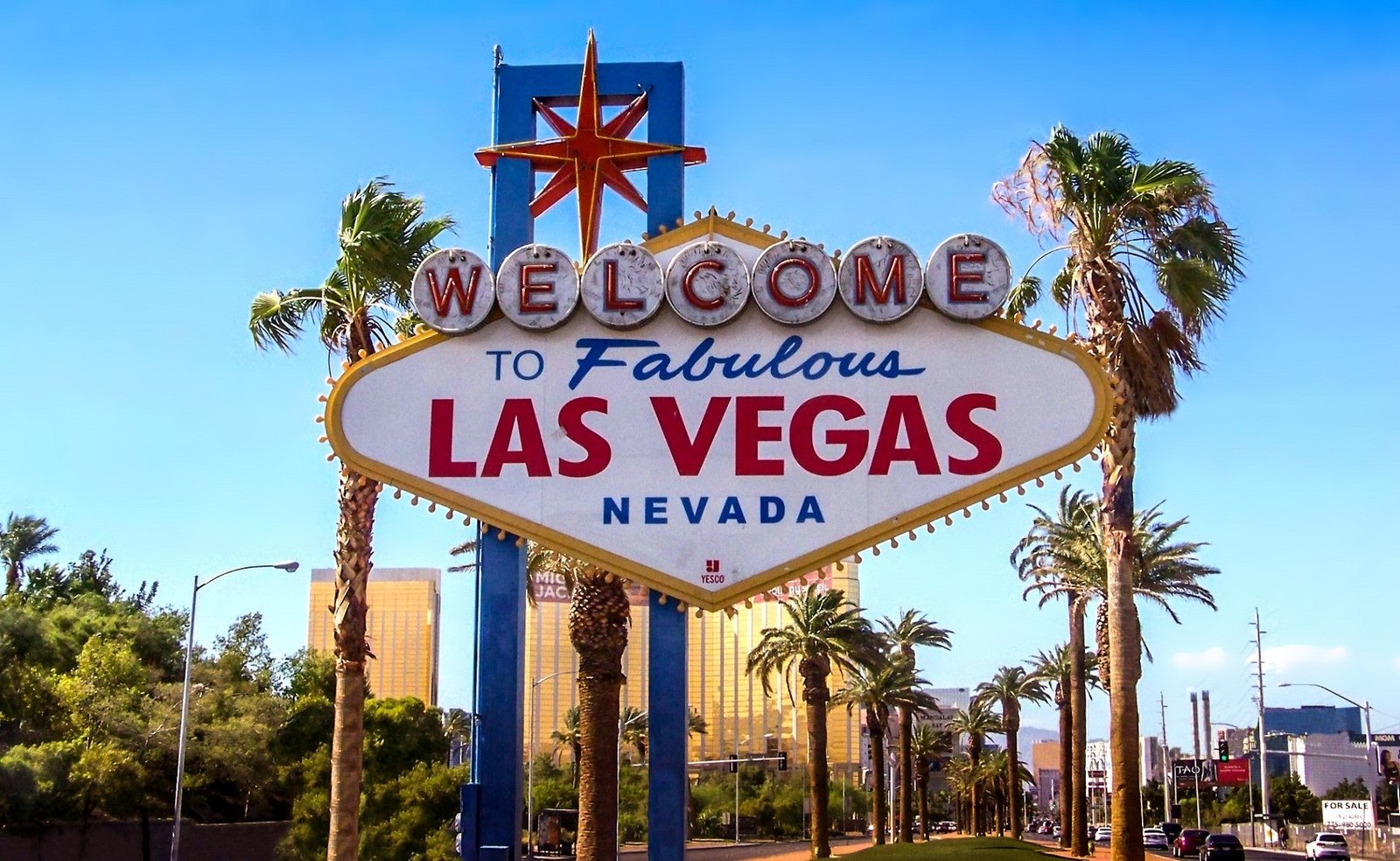
Las Vegas is a city known for its vibrant nightlife, world-class entertainment, and of course, its casinos. While most people associate Las Vegas with adult-oriented activities such as gambling and shows, the city also offers a variety of children's games and activities that cater to families visiting the area. In this blog post, we will explore how children's games in Las Vegas can be analyzed through the lens of economic welfare theory. One of the main economic welfare theories that can be applied to children's games in Las Vegas is the concept of consumer surplus. Consumer surplus is defined as the difference between the price that consumers are willing to pay for a good or service and the price that they actually pay. In the context of children's games in Las Vegas, parents and families visiting the city can derive consumer surplus from the enjoyment and entertainment that their children experience while playing games. Children's games in Las Vegas come in various forms, from arcade games at hotels and resorts to carnival games on the famous Strip. These games often require players to pay a fee to participate, whether it's through purchasing tokens or tickets. Parents are willing to pay these fees because they know that their children will have fun and be entertained while playing the games. The happiness and joy that children experience while playing these games contribute to the consumer surplus that families derive from the overall experience of visiting Las Vegas. Another economic welfare theory that can be applied to children's games in Las Vegas is the concept of externalities. Externalities refer to the positive or negative impacts that an economic activity has on third parties who are not directly involved in the transaction. In the case of children's games in Las Vegas, the positive externalities can be seen in the form of increased tourism and economic activity in the city. When families visit Las Vegas to enjoy children's games and activities, they contribute to the local economy by spending money on accommodations, dining, transportation, and other goods and services. This influx of tourism not only benefits businesses in the hospitality and entertainment industries but also creates job opportunities for local residents. Additionally, the presence of families with children can help to create a more family-friendly atmosphere in a city that is often associated with adult-oriented entertainment. In conclusion, children's games in Las Vegas can be analyzed through the lens of economic welfare theory, specifically in terms of consumer surplus and externalities. Families visiting the city to enjoy these games derive satisfaction and enjoyment that exceed the monetary cost of participation, contributing to consumer surplus. Additionally, the presence of families with children engaging in games and activities generates positive externalities by stimulating economic activity and creating a more family-friendly environment in Las Vegas. Next time you visit the city of lights, don't forget to check out the exciting children's games and activities that the city has to offer!


