Driving Towards Equality and Equity in Las Vegas: How Cars Impact Social Justice
Category : |
Sub Category : Posted on 2024-10-05 22:25:23
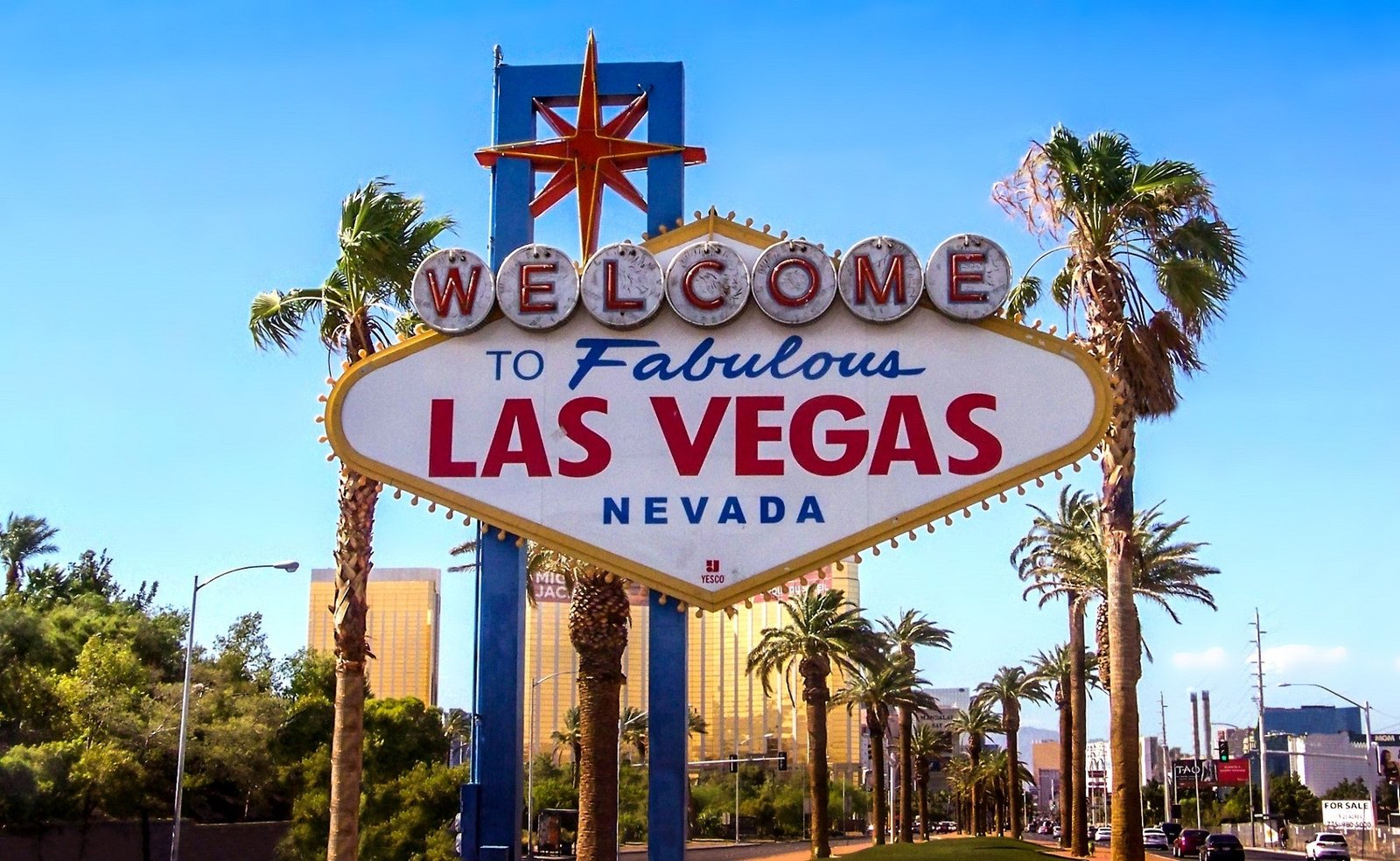
In a city known for its vibrant entertainment scene and bustling nightlife, Las Vegas is also a place where issues of equality and equity come into sharp focus. One often overlooked aspect of these discussions is the role that cars play in shaping social justice in the city. When we think about cars in Las Vegas, we might picture the glitzy strip with its parade of luxury vehicles or the iconic neon lights flashing along the roads. However, beneath this glossy facade lies a complex web of transportation challenges that intersect with issues of race, class, and access. One key aspect of the relationship between cars and equity in Las Vegas is the issue of transportation access. In a sprawling city where public transportation options are limited, owning a car can be essential for accessing job opportunities, healthcare services, and education. However, not everyone has equal access to car ownership. Low-income communities, which are disproportionately communities of color, often face barriers to purchasing and maintaining vehicles, leading to transportation inequality. Additionally, the design of the city's infrastructure can impact equity in transportation. Historically, urban planning decisions in Las Vegas, like in many other cities, have prioritized cars over other modes of transportation. This has resulted in a car-centric city layout that can pose challenges for pedestrians, cyclists, and public transport users. Communities that lack sidewalks, bike lanes, and safe public transportation options are at a disadvantage, further exacerbating existing inequalities. To address these issues, city officials, advocacy groups, and community members are working towards creating a more equitable transportation system in Las Vegas. Initiatives like expanding public transportation options, investing in infrastructure that prioritizes pedestrians and cyclists, and promoting affordable car ownership programs can help bridge the gap and promote transportation justice in the city. Moreover, promoting diversity and inclusion within the automotive industry itself is another key aspect of advancing equity and equality in Las Vegas. Encouraging representation of diverse voices and perspectives in car design, manufacturing, and marketing can help challenge stereotypes and create more inclusive products and services that cater to the diverse needs of the community. As we look to the future, it is essential to recognize the interconnected nature of cars, transportation, and social justice in Las Vegas. By addressing barriers to transportation access, advocating for equitable urban planning, and promoting diversity in the automotive industry, we can drive towards a more just and inclusive city where everyone has the opportunity to move freely and safely.


