Las Vegas and Rotterdam: A Tale of Two Cities Embracing Artificial Intelligence
Category : |
Sub Category : Posted on 2024-10-05 22:25:23
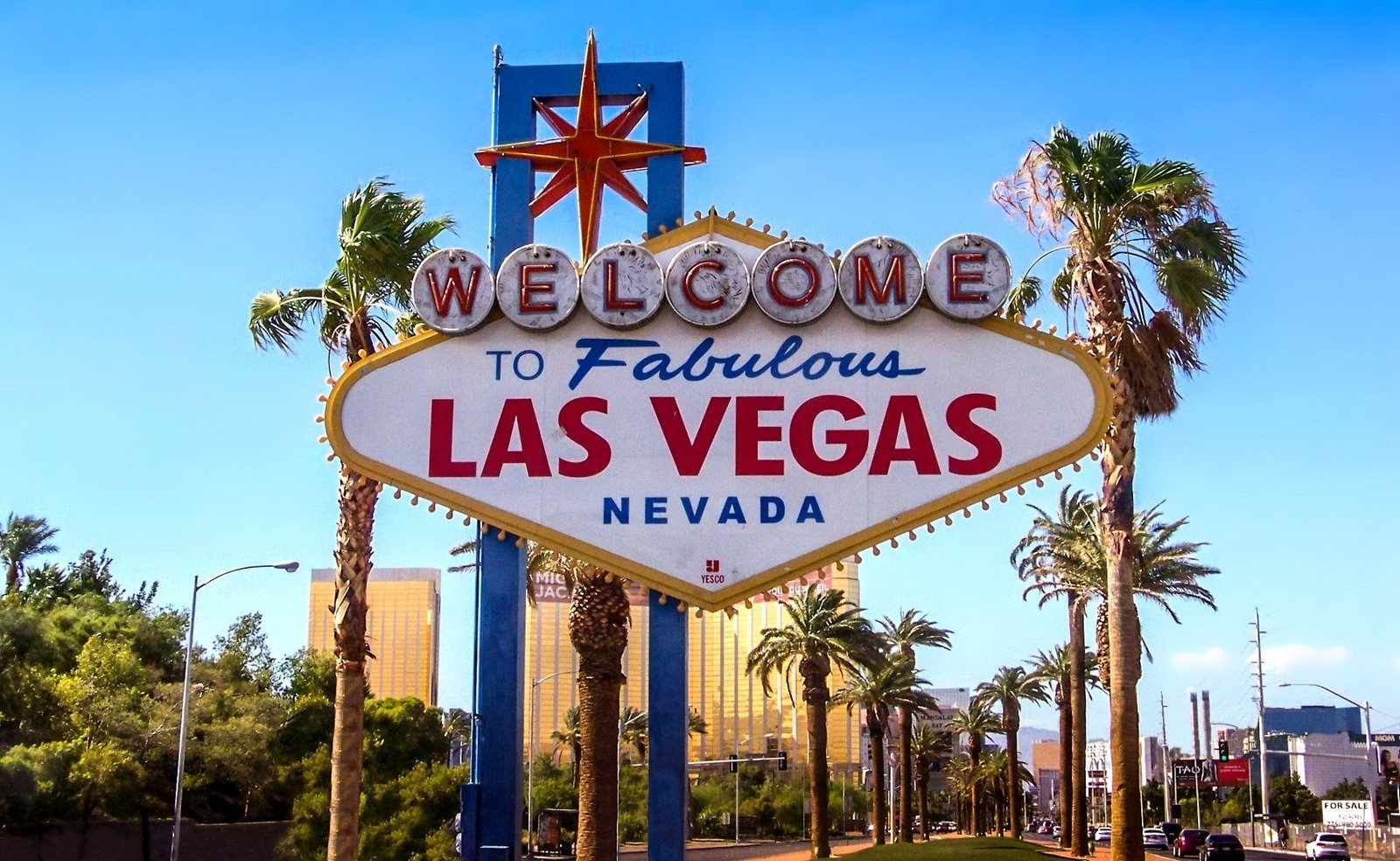
artificial intelligence (AI) has become a transformative force in cities around the world, paving the way for smarter, more efficient services and infrastructure. Las Vegas in the United States and Rotterdam in the Netherlands are two cities that are at the forefront of integrating AI technology into their urban systems to improve the quality of life for their residents. In Las Vegas, known for its vibrant entertainment scene and bustling tourism industry, AI is being harnessed to enhance the visitor experience and streamline operations. One notable application of AI in the city is the use of smart sensors and data analytics to manage traffic flow and parking availability. By analyzing real-time traffic data, AI algorithms can help direct vehicles to vacant parking spots more efficiently, reducing congestion and emissions. Moreover, the city is leveraging AI-powered systems for public safety and emergency response. For instance, the Las Vegas Metropolitan Police Department uses predictive analytics to anticipate and prevent crimes, while the fire department utilizes AI algorithms to optimize emergency dispatch routes for faster response times. On the other side of the globe, Rotterdam, a dynamic port city in the Netherlands, is embracing AI to tackle urban challenges such as sustainability and climate change. With a strong focus on sustainability, the city is implementing AI solutions to reduce energy consumption, optimize waste management, and enhance the efficiency of public transportation. One of Rotterdam's flagship AI projects is the development of a "smart grid" that uses AI algorithms to balance energy supply and demand in real time, enabling greater integration of renewable energy sources like wind and solar power. By dynamically adjusting energy production and consumption based on predictive analytics, the city aims to reduce its carbon footprint and build a more resilient energy infrastructure. Additionally, Rotterdam is harnessing AI technology to improve water management and flood prevention in the face of rising sea levels. Through the use of AI-powered sensors and predictive modeling, the city can better anticipate and respond to flood risks, safeguarding its residents and critical infrastructure against climate-related disasters. As Las Vegas and Rotterdam demonstrate, the integration of artificial intelligence into urban planning and governance offers immense potential for creating sustainable, resilient, and livable cities. By leveraging AI-driven insights and innovations, cities around the world can address pressing challenges, enhance quality of life, and build a more sustainable future for all. In conclusion, the stories of Las Vegas and Rotterdam highlight the transformative impact of artificial intelligence on urban development and underscore the importance of leveraging advanced technologies to build smarter, more resilient cities for the 21st century and beyond.


