Las Vegas: Unraveling the Impact of Deepfakes and Misinformation
Category : |
Sub Category : Posted on 2023-10-30 21:24:53
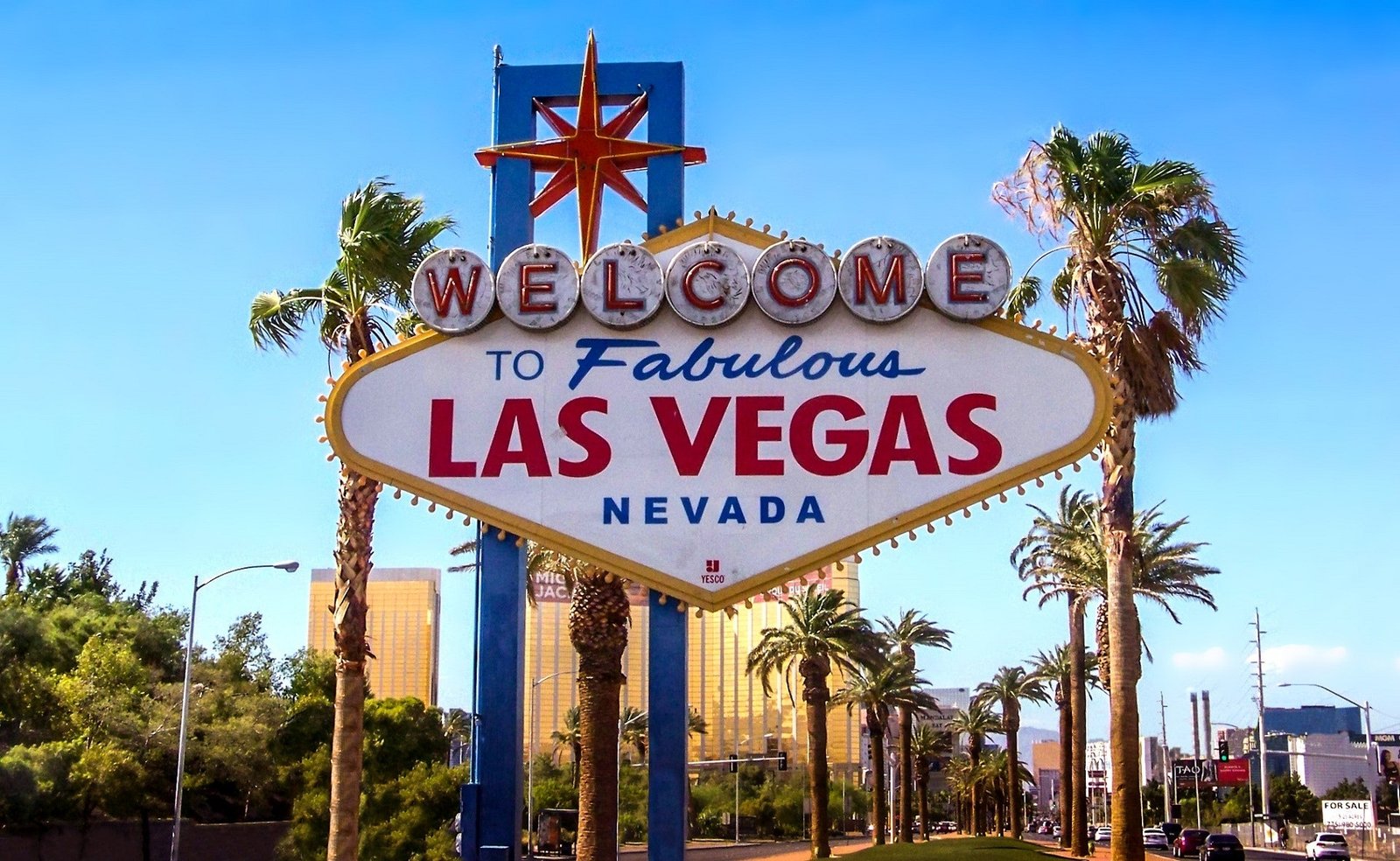
Introduction: In an era of rapidly advancing technology, the Internet has become a breeding ground for the spread of misinformation and the manipulation of digital content. One particularly concerning phenomenon that has emerged is the rise of deepfakes. Las Vegas, a city known for its iconic landmarks and vibrant entertainment industry, has not remained untouched by this digital deception. In this blog post, we will explore the impact of deepfakes and misinformation in Las Vegas and delve into the potential consequences they can have on individuals and society as a whole. Understanding Deepfakes: Deepfakes, a term coined from "deep learning" and "fake," refer to manipulated digital media, often video or audio, that presents individuals saying or doing things they never did. These concocted realities are created using artificial intelligence algorithms, known as deep neural networks, which can convincingly replace faces, voices, or even entire identities in video footage. Las Vegas: A Target for Deepfakes: Being a city with an abundance of celebrity impersonators and a hub for entertainment, Las Vegas becomes a prime target for malicious actors seeking to exploit both the local scene and the tourist industry. From fake celebrity sightings to fabricated news stories about casino scandals, deepfakes have the potential to undermine the city's reputation and cause confusion among residents and visitors alike. Implications for Individuals: The consequences of deepfakes extend beyond mere entertainment value. Individuals can fall victim to reputation damage, blackmail, or identity theft, as deepfakes can be used for financial gain or personal vendettas. In a city like Las Vegas, where image and reputation can play a crucial role in one's livelihood, the impact can be devastating for those targeted. Societal Impacts: The proliferation of deepfakes also poses a threat to public trust and societal stability. In a world where video evidence has long been considered a reliable source of truth, the very notion of authenticity is being challenged. Las Vegas, with its myriad of entertainment and gambling industries, heavily relies on trust from tourists and investors. If misinformation and deepfakes erode this trust, it could have far-reaching consequences for the city's economy and reputation. Tackling Deepfakes and Misinformation: Recognizing the urgency of the issue, organizations and governments worldwide are taking steps to combat the spread of deepfakes. Initiatives like media literacy campaigns, technological advancements in detection, and legal frameworks to hold creators of malicious deepfakes accountable are being developed. Collaborative efforts by tech companies, researchers, and policymakers are necessary to ensure a safer digital landscape. Conclusion: Las Vegas, a city that thrives on creating illusions and captivating audiences, is now grappling with the darker side of the digital age. Deepfakes and misinformation can undermine the very essence of what Las Vegas stands for: entertainment, trust, and awe-inspiring moments. As technology evolves, it is vital for individuals, communities, and authorities to stay vigilant and work together to protect the integrity of information, safeguard reputations, and preserve the cherished experiences that Las Vegas offers. For a comprehensive overview, don't miss: http://www.semifake.com


